Responsible Gambling

Gambling involves risking money on an uncertain outcome. It is not a way to earn money or a solution to debt, bills or other money problems. A win is not predictable income, and trying to recover losses can increase the amount you lose.
Signs that gambling is becoming a problem
Look for changes you can observe in your behaviour and finances. These can include:
- spending more than you planned, or continuing after reaching a budget you set;
- gambling for longer than intended or returning to play soon after stopping;
- increasing stakes to try to recover money you have lost;
- borrowing money, using money needed for essentials, or selling possessions to gamble;
- hiding gambling, deposits or losses from people close to you;
- feeling unable to stop, or becoming distressed or irritable when you try;
- missing work, study, sleep or other responsibilities because of gambling.
One sign is enough to justify taking action. You do not need to wait until you have lost a particular amount or reached a crisis.
Take action through your account
If you are gambling now, stop playing and do not deposit more money. Sign in to your account and open its responsible gambling or safer gambling controls. UK-licensed casinos must provide responsible gambling tools, including self-exclusion. Remote operators must also provide accessible account-level financial limit controls. New customers must be prompted to set a financial limit before their first deposit.
Set a financial limit that prevents further deposits beyond what you can afford to lose. If you want to stop gambling with that operator, use its self-exclusion control. Follow the instructions shown in your account and check the confirmation before assuming the restriction is active. If you cannot find the controls or cannot apply them, contact the operator using the customer support route shown on its website or app and ask it to apply the restriction.
These controls apply to the relevant account or operator. Do not assume that a limit or exclusion on one account automatically applies to other gambling accounts. If you have accounts elsewhere, use their controls too.
Where to turn
Start with the operator where you have an account. Use its responsible gambling controls to limit or stop access, and contact its customer support if you need help applying them. UKGC-licensed casinos must offer an internal complaints process and access to an approved Alternative Dispute Resolution (ADR) service. If your complaint is not resolved through the operator’s process, follow the information it provides about accessing ADR.
This page does not have verified contact details for an independent gambling-support organisation. Do not rely on a contact detail unless you have checked it against a trusted, current source. If you are in immediate danger, contact the emergency service available where you are.
Age and account safeguards
Operators must verify a customer’s age before allowing them to deposit funds into a gambling account. Do not use someone else’s account or provide false details to get around an age check. If an operator allows a deposit before completing the required check, raise the issue with that operator.
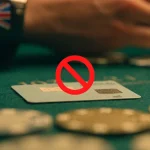
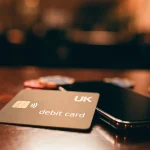
Remote operators must not accept credit-card payments for gambling, including credit-card funds routed through a money service business. They must also not accept wallet payments where the wallet allows credit-card funds to be used for gambling. These payment restrictions do not prevent losses from other payment methods, so account limits and self-exclusion remain important safeguards.
Online slot autoplay is banned in Britain, and online slot spins must last at least 2.5 seconds. These rules do not make gambling predictable or remove the risk of losing money.